>
>
>
Critical thinking and AI: How Crédit Agricole’s Digit Academy supports its teams through transformation?
Critical thinking and AI: How Crédit Agricole’s Digit Academy supports its teams through transformation?
Published on
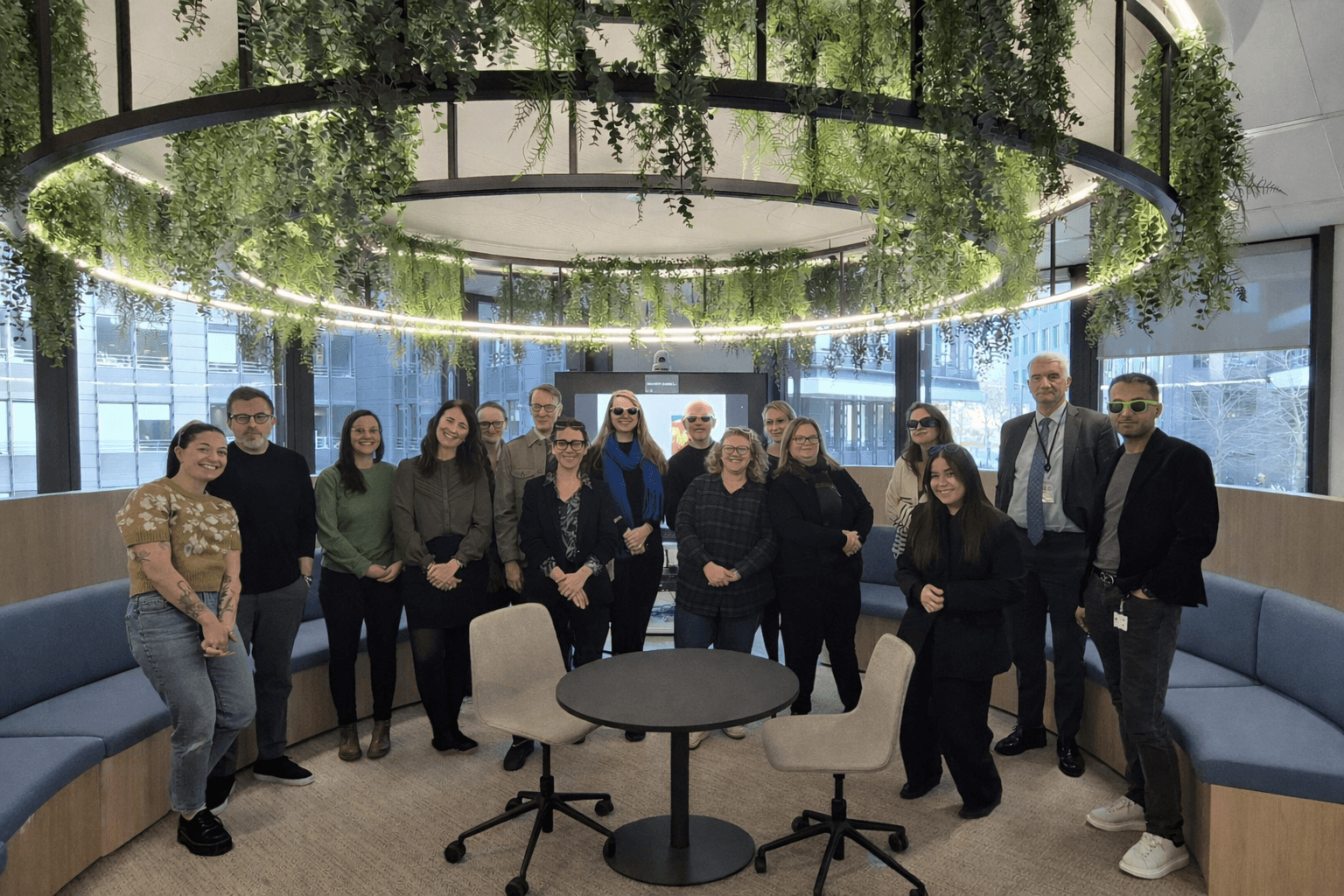
Artificial intelligence is disrupting economic models, professions, and decision-making methods. For large companies, the question is no longer only whether they should adapt, but how—and above all how to preserve their critical thinking in the face of ever more powerful tools.
In a context marked by technological acceleration, a shortage of digital talent, and the need to renew skills, training is therefore becoming a driver of agility and competitiveness.
Within the Crédit Agricole Group, the leading financer of the French economy, this conviction is embodied in the Digit Academy: a digital training platform, created in 2023 and dedicated to IT populations. The ambition: to remain at the forefront of technological developments, support the Group’s digital transformation, and spread a true culture of innovation.
Structured around eight major strategic themes—Data & AI, Agility, Responsible Digital, Development, Cybersecurity, and Architecture—it combines expert content, active communities, and innovative formats.
Overseeing this initiative is Aurélie Scharff, HR Project Manager. On a daily basis, she ensures the design of meaningful learning experiences through short, high-impact formats designed to spark a realization. It is in this spirit that, in February 2026, she chose to launch a 1.5-hour workshop dedicated to critical thinking, in partnership with Seven. The challenge: enabling the Group’s IT talents to better analyze, question, and decide in a world profoundly transformed by AI.
Could you introduce yourself and tell us about your role within the Crédit Agricole Group?
Aurélie Scharff: I am Aurélie Scharff, HR Project Manager at Crédit Agricole.
I have the opportunity to lead and steer the Digit Academy, a cross-functional digital training platform dedicated to IT experts.
My role is to design and roll out innovative learning formats and support the upskilling of IT employees on strategic topics, always aligned with the Group’s priorities.
On a daily basis, I work at the interface between business teams, HR, and our external partners, with the goal of creating meaningful learning experiences that generate real impact.
Why did you launch a workshop on critical thinking?
A.S: First, I think it is important to remember that critical thinking is both an individual and collective skill, essential in the complex and uncertain environments in which we operate today.
This Seven workshop took place in a context of very rapid acceleration in digital and AI usage. Because employees are increasingly exposed to cognitive biases, information overload, and misinformation risks, it became essential to give them reference points to analyze, question, and decide with greater perspective.
Can you present the format of this workshop?
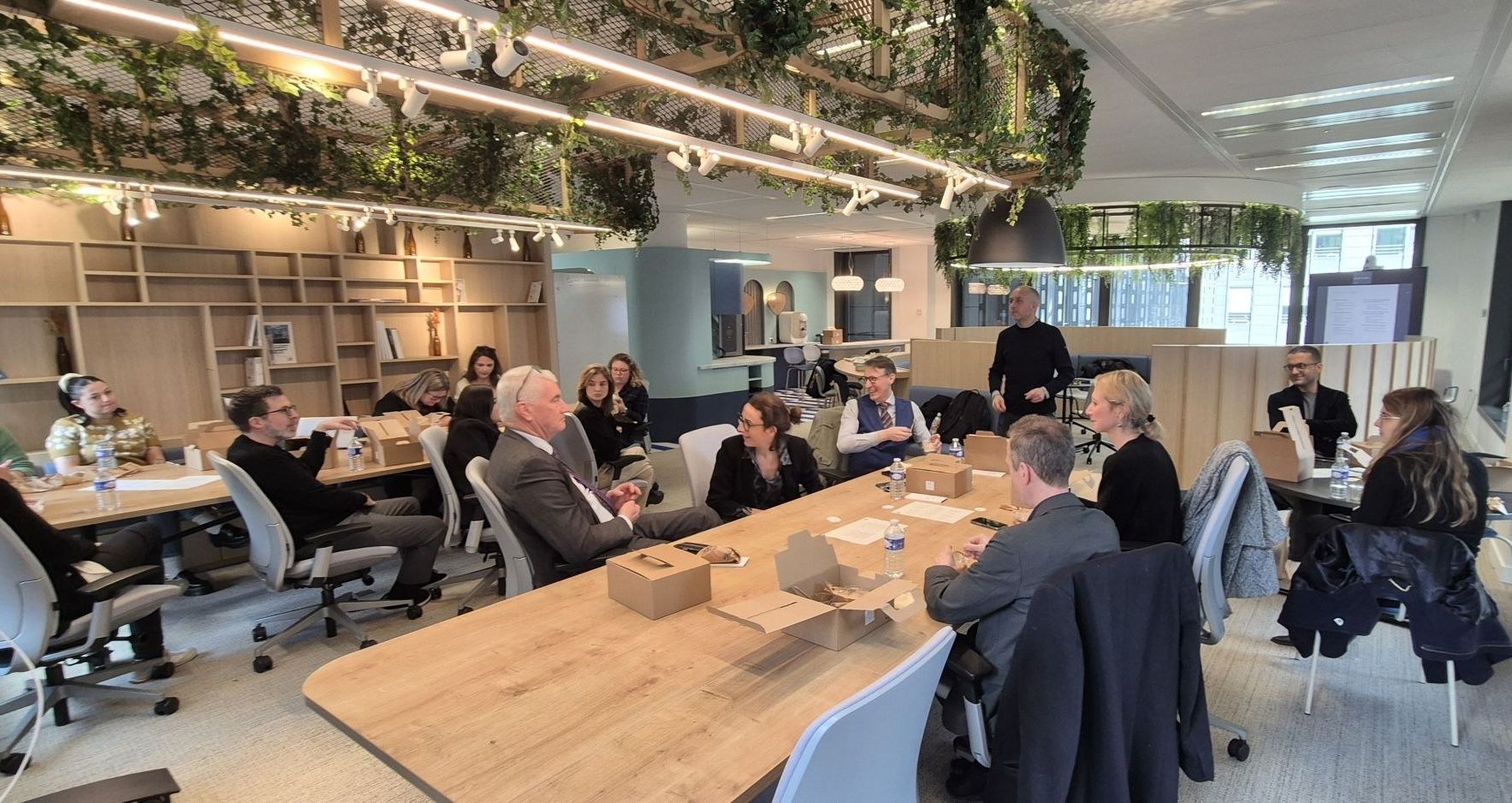
A.S: The Seven training course “Developing Critical Thinking” was designed as a 1.5-hour pilot workshop, organized during lunchtime for a group of 20 participants. The short format aimed to spark curiosity and encourage people to go further.
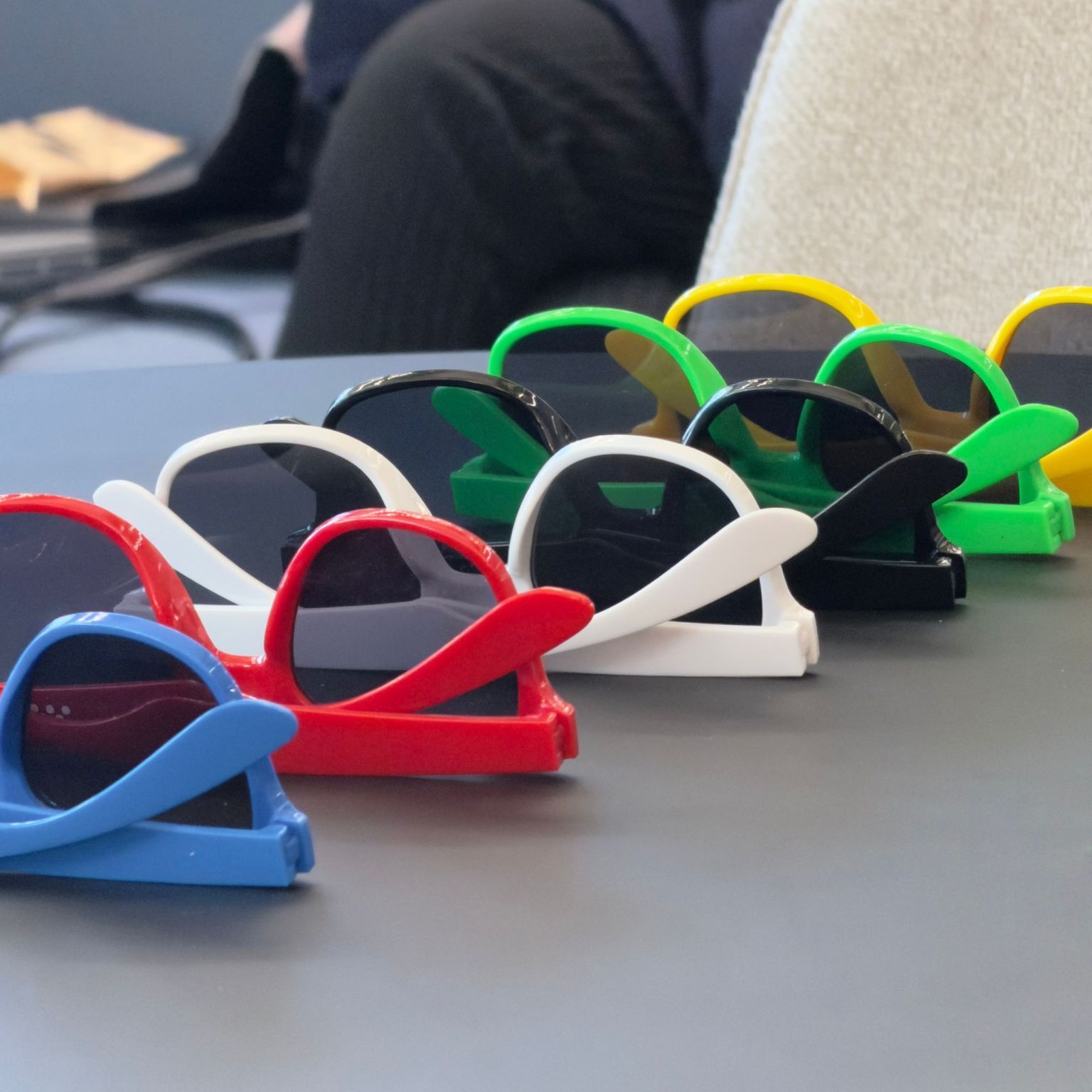
After an introduction to the six hats of critical thinking inspired by Edward de Bono, participants were split into small groups and explored the same situation from different angles. A quiz on fake news then punctuated the workshop, helping participants become aware of biases and information-verification reflexes. We concluded by defining one concrete and actionable step per group.
Who were the participants?
A.S: We prioritized our IT employees because they play a key role in analyzing, deciding, and sharing information.
And since a few spots were still available, we opened the workshop to other functions: HR, learning managers, and cross-functional roles. This mix enriched the discussions and brought complementary perspectives.
Why did you choose Seven to support you?
A.S: I knew Seven from a previous collaboration when I was a Manager at EY. In 2018, we worked together on management training programs. I had been struck by their highly embodied, pragmatic, and engaging teaching approach. I particularly remember a session around the “hats.”
What I particularly appreciate in Seven’s approach is the practical, grounded tools that do not remain theoretical, as well as the possibility of co-designing a format adapted to our context.
What were your objectives with this workshop?
A.S: The objectives of the “Developing Critical Thinking” workshop were multiple:
Raise employee awareness of cognitive biases
Understand the mechanisms of information manipulation
Develop a constructive questioning mindset
Create a space for discussion and collective perspective-taking
The main challenge: ensuring participants leave with simple keys they can apply immediately.
What stood out most to your teams?
A.S: The awareness gained during the Seven training sessions had a strong impact on the teams. Many realized they could be subject to biases, even as experts or highly rational in their daily professional lives.
The “6 hats” tool, inspired by Edward de Bono’s work, particularly stood out to participants.
The message was simple: before speaking or making a decision, let’s try to adopt points of view different from those we usually take.
I also know that the teams particularly appreciated the role plays as well as the short format.
Did you observe any effects after the workshop?
A.S: Yes, discussions continued on our internal channels after the workshop. IT employees thanked us and shared their reflections.
These are indicators that show us the topic truly resonated. We will conduct follow-up evaluations in a few weeks to measure changes in practices on this topic.
What did you particularly appreciate during the workshop?
A.S: The interactive format is the biggest plus. The balance between theoretical input and discussion was right. There was a climate of trust that allowed people to express their viewpoints without judgment.
That is exactly what we seek within the Digit Academy: lively learning experiences that trigger a desire to go further.
What comes next?
A.S: This workshop is part of a broader pilot approach. Critical thinking is only one building block of an overall strategy for facilitation, innovation, and skills development.
In total, three workshops are planned with Seven, each on a different theme: critical thinking, influence, and collective intelligence.
At the end of these three sessions, we will evaluate the long-term continuation of the program and identify new themes for our monthly sessions.
Would you recommend Seven to other organizations?
A.S: Yes, of course.
Seven is a trusted partner, capable of addressing complex topics with teaching expertise, high standards, and collective intelligence.
It is great to have a tailor-made offering and to work with a team that knows how to adapt to a transformation context.
I would recommend their support to any organization wishing to develop the critical thinking of its teams in a changing environment.
At a time when artificial intelligence is profoundly transforming organizations, the ability to step back, question information, and compare points of view is becoming a key skill.
With Digit Academy, the Crédit Agricole Group is betting on developing the critical thinking of its teams through short, practical, and engaging learning formats. An approach that reminds us that the quality of decisions depends above all on the ability of women and men to step back, question, analyze, and compare points of view, becoming an essential lever for deciding with clarity.