>
>
>
Training the best kebab teams in Paris: how Sürpriz is strengthening customer relationships with its staff
Training the best kebab teams in Paris: how Sürpriz is strengthening customer relationships with its staff
Published on
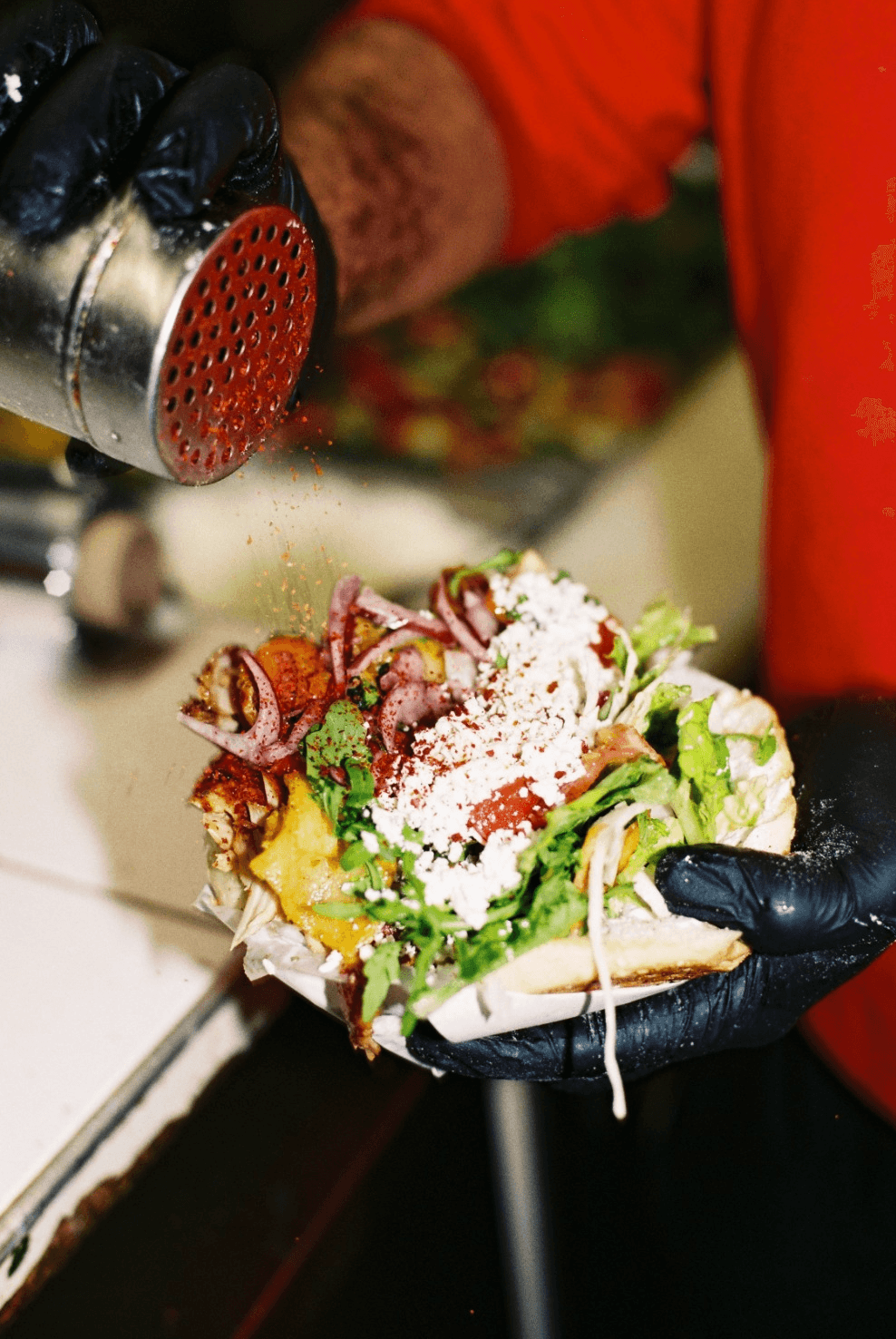
Delivering an exceptional customer experience while delighting the taste buds of demanding Parisians. That is Sürpriz’s dual promise.
Since 2019, this Parisian Döner Kebab brand has been reinventing a great Berlin classic, placing product quality and customer relationships at the heart of its model. An ambition that is evident even outside the restaurants, where the crowds reflect customers’ enthusiasm.
Starting from a first establishment opened in 2019, the brand now has four restaurants in Paris and welcomes between 1,500 and 3,000 customers every day. Rapid growth that raises a central question: how can a consistent, high-quality customer experience be guaranteed, regardless of location, time, or crowd levels?
In January 2026, the brand chose to launch, with Seven, training dedicated to all its field teams.
To understand the challenges behind this initiative and the concrete lessons learned from the sessions, we spoke with Stéphane Brass, co-founder of Sürpriz.
You are the co-founder of Sürpriz. What is your background and the story behind the brand?
Stéphane Brass: I am Franco-German and I grew up in Germany. There, kebab is part of everyday life. It is a bit like the ham-and-butter sandwich in France. Döner Kebab is a popular dish, deeply cultural, and supported by the Turkish community.
When I arrived in France in 2018, I wanted to introduce Berlin-style kebab to Parisians. I wanted to offer a refined and generous kebab. At the time, there were very few brands positioned around this approach. We were seen as pioneers.
Today, Sürpriz means four restaurants in Paris. And when I see the lines in front of our locations, I tell myself the bet was the right one.
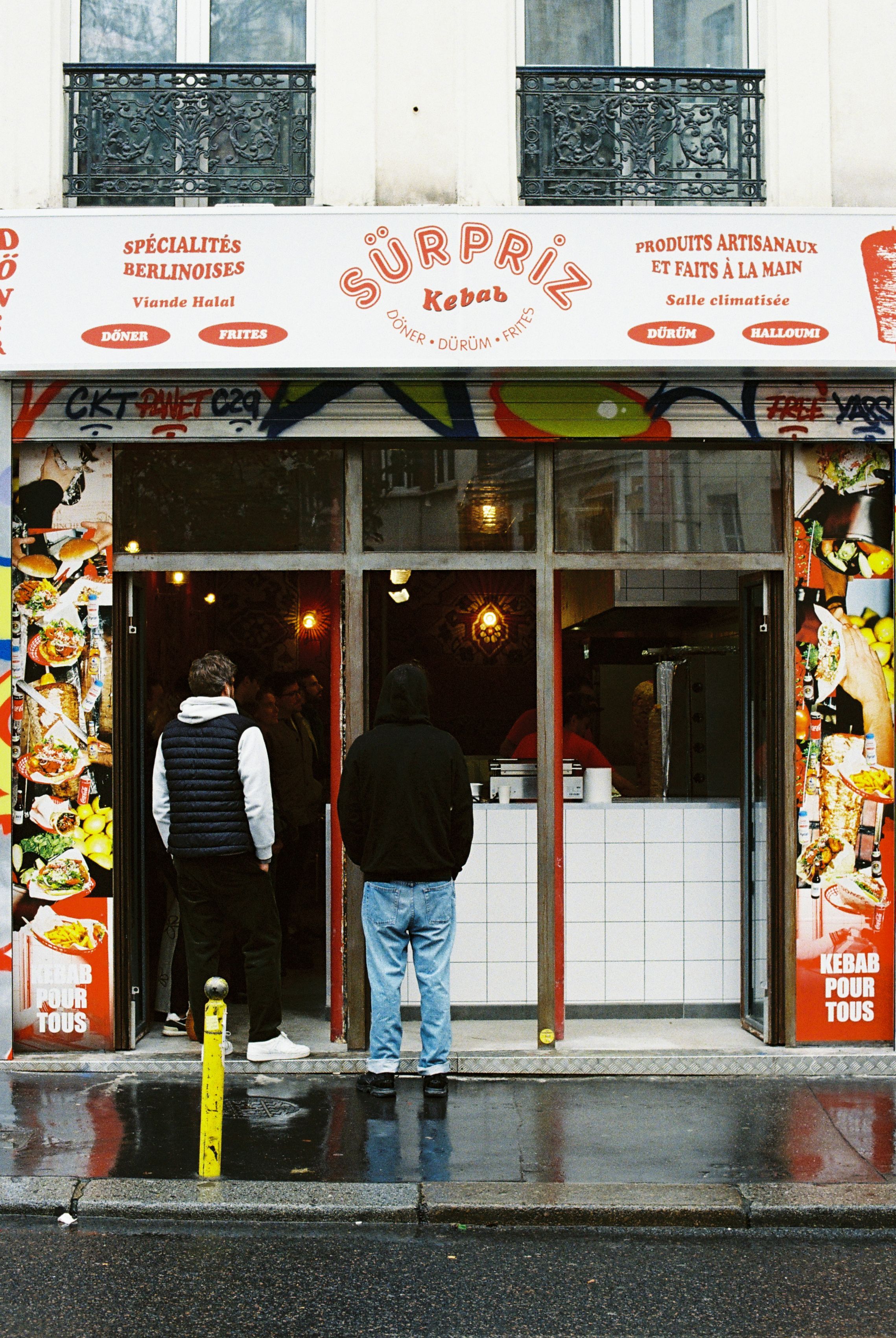
Your growth has been rapid. What has this growth concretely changed for you and your teams?
S.B: When you have just one restaurant, everything is simpler. Welcome, service, customer experience—you control everything very precisely. With four locations, several teams, different rhythms, and between 1,500 and 3,000 customers per day, complexity increases very quickly.
Why has training become a strategic lever?
S.B: For a long time, I was very focused on opening new locations, structuring, development, sometimes even during Covid. At a certain point, I understood that we had to move to a new stage: guaranteeing the same standard of welcome everywhere, all the time, even during rush periods.
That is how training all my teams became an obvious priority.
Training was the best way to align everyone, share common reference points, and maintain a high level of standards, both in welcome and in service.
Why did you choose Seven to support you?
S.B: I already knew Yahya, Seven’s co-founder. He had told me about Seven’s very practical, very field-oriented approach.
So when we reached four restaurants, I told myself it was the right time to call on Seven and structure our practices, harmonize our processes, and continue delivering a high-quality experience that is just as exceptional as ever.
Then, the fact that we were able to secure funding through our Opco made the decision easier. It allowed us to train all teams, which was essential for us.
Who was this training for?
S.B: Seven’s training was intended for all our employees—38 people—across our four restaurants. For many, it was their very first training experience.
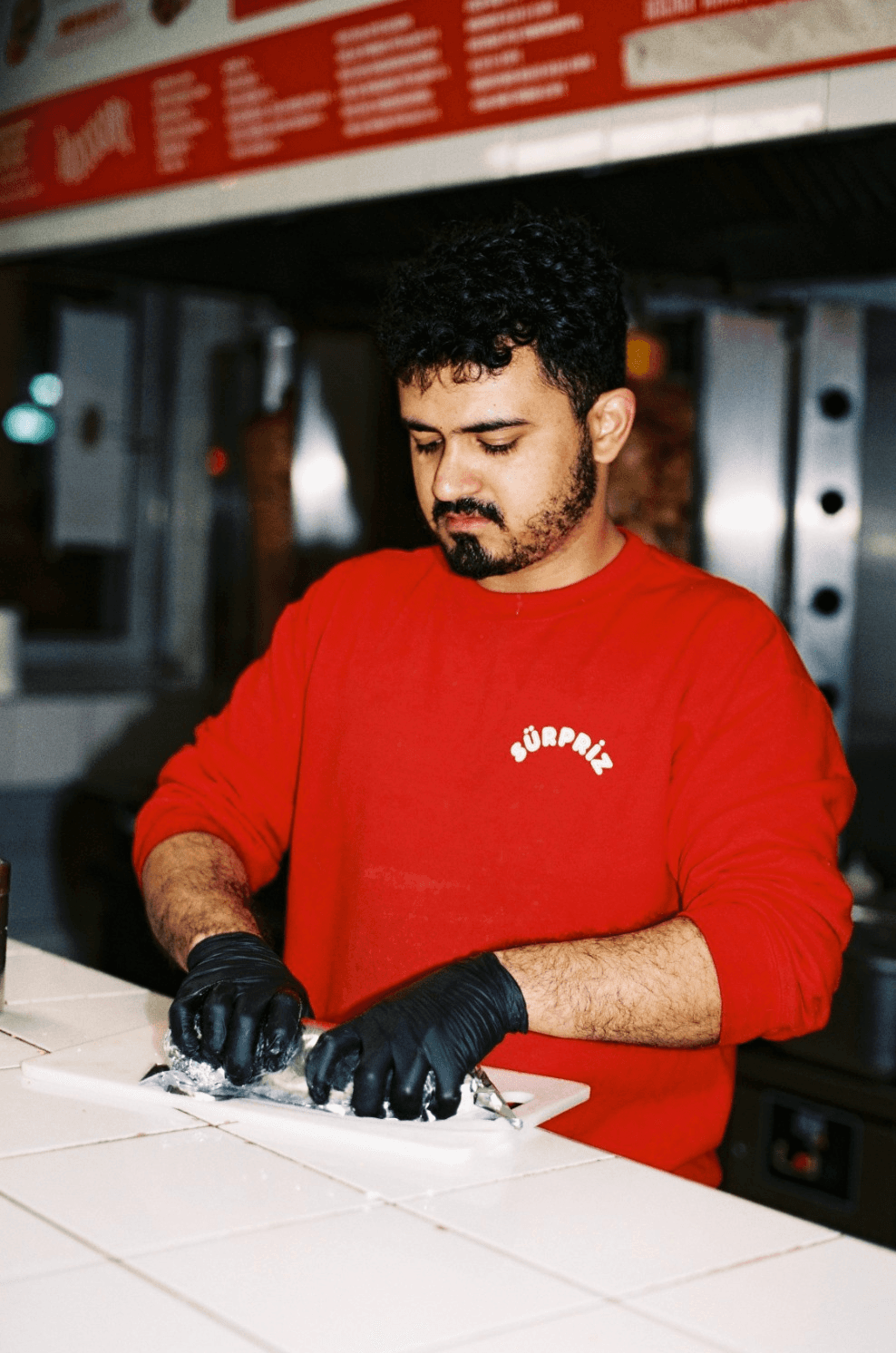
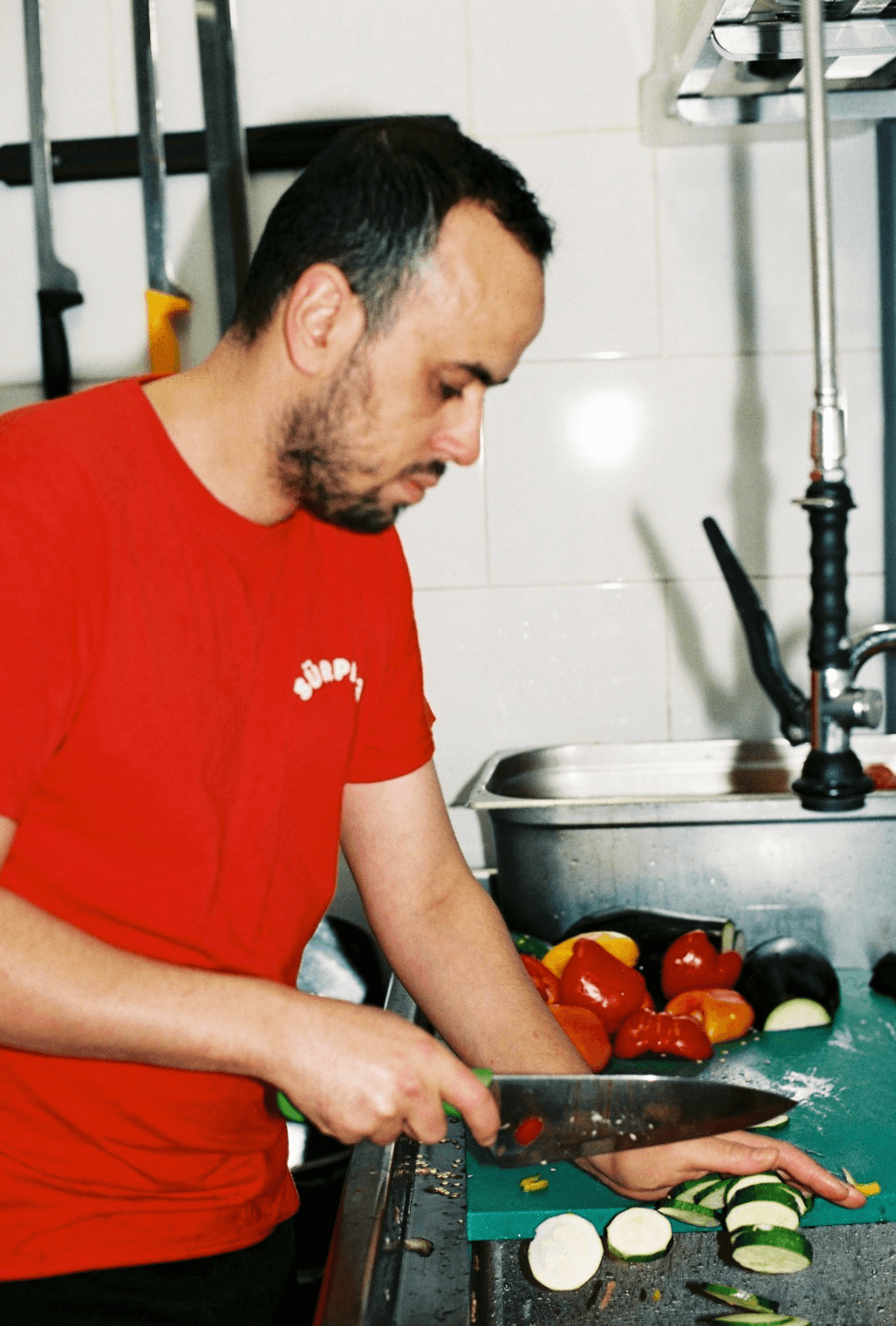
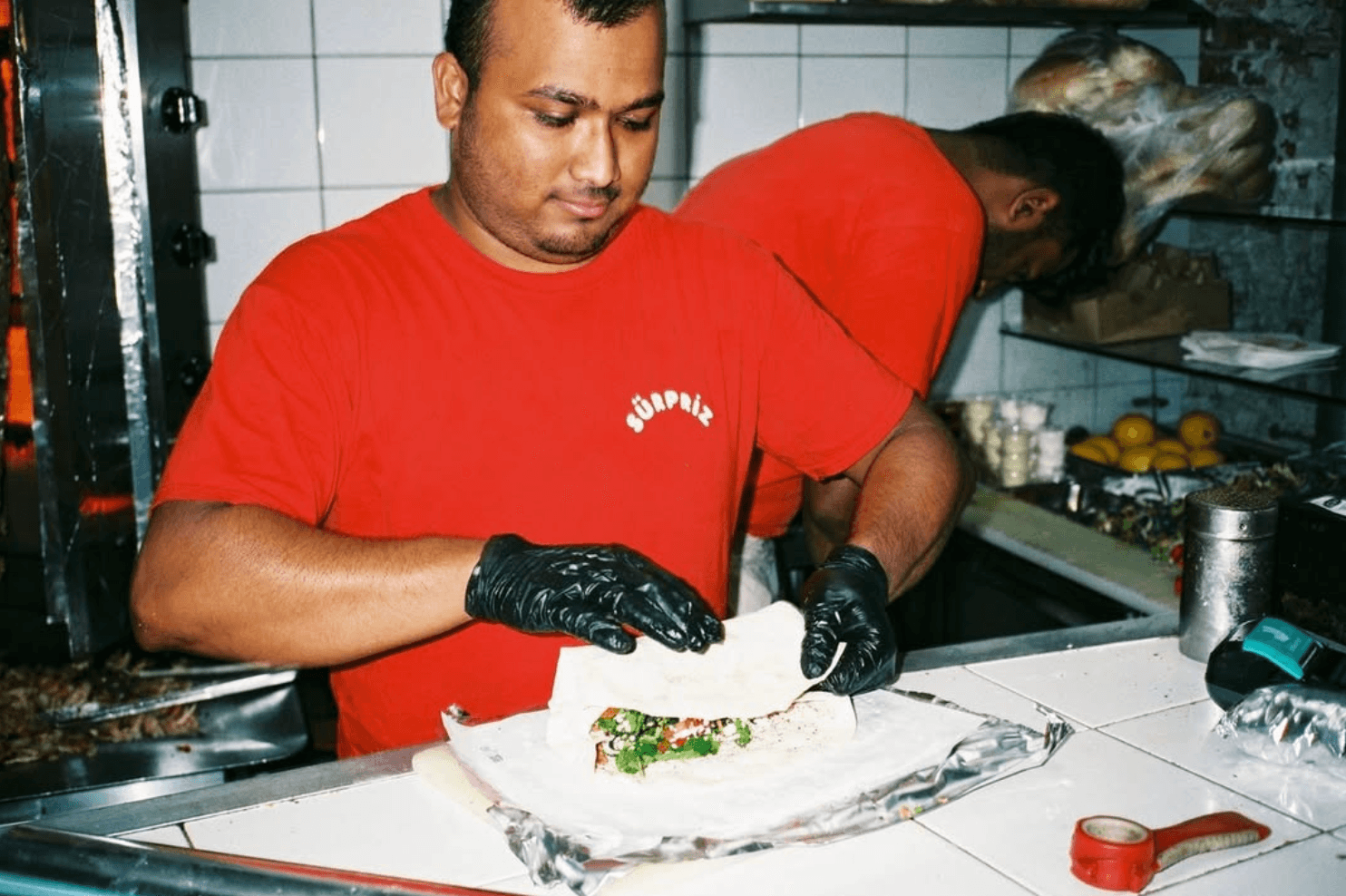
At Sürpriz, every cook is also in direct contact with the customer. They take orders, interact, and explain the products. Welcome and customer relations concern everyone, without exception.
What were your objectives when launching this training?
S.B: Our expectations were very clear. We wanted more consistent service between restaurants, a smoother and more constant welcome, and to strengthen everyone’s sense of responsibility.
In the end, I expected better handling of delicate day-to-day situations and a more customer-oriented posture, especially in the way we present our products and our brand.
What stood out most to your teams during the sessions?
S.B: The teams realized they were already doing many things very well. The training was not there to point out mistakes, but to provide methods and reference points for complex situations.
The workshops around handling aggressive or intoxicated customers, or tense contexts, particularly made an impression. The teams needed concrete tools to know how to react professionally, without moving away from our brand image.
What did you appreciate most about the support provided by Seven?
S.B: The format, without hesitation. It was not a top-down training with a standard PowerPoint. The sessions were interactive and highly participatory. Everyone spoke up. This type of facilitation really made it easier to understand the tools and apply them in the field.
Then, I found the three-hour duration very well calibrated: long enough to go in depth, without losing the teams’ attention.
How do you plan to extend the work started after the training?
S.B: We are in the process of formalizing all the best practices identified during the Seven workshops, in the form of sheets.
The objective is twofold: share them with all current teams, but also integrate them into the onboarding journey for new hires. This will allow us to ensure continuity and a consistent level of standards over time.
Would you recommend Seven to other companies?
S.B: Yes, clearly. This first training laid solid foundations. We are already considering going further with more targeted training programs.
Finally, personally, this approach has helped me evolve. At first, I was very focused on developing the brand. Now, I see training as a lever for continuous improvement and a tool for striving toward excellence.
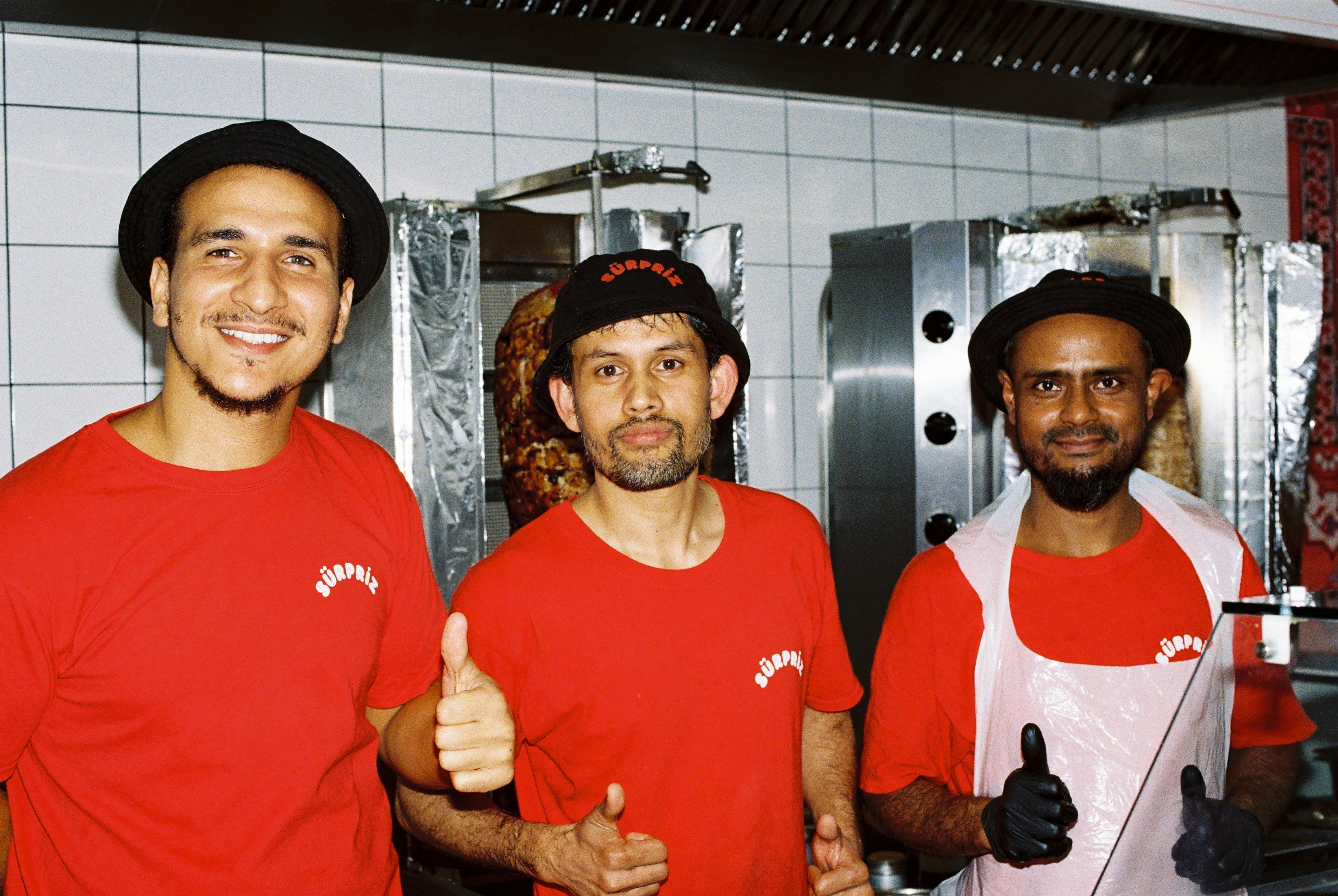
Behind every kebab served at Sürpriz, there are teams, sustained pace, peak rush periods, and constant attention paid to customers.
Seven training has helped transform these sometimes high-pressure realities into shared reference points, common reflexes, and collective pride.
If you too are looking to support your frontline teams with training programs rooted in real-life situations and sustainably embedded in your employees’ daily work, Seven is here to listen.