Taking action against discrimination and microaggressions
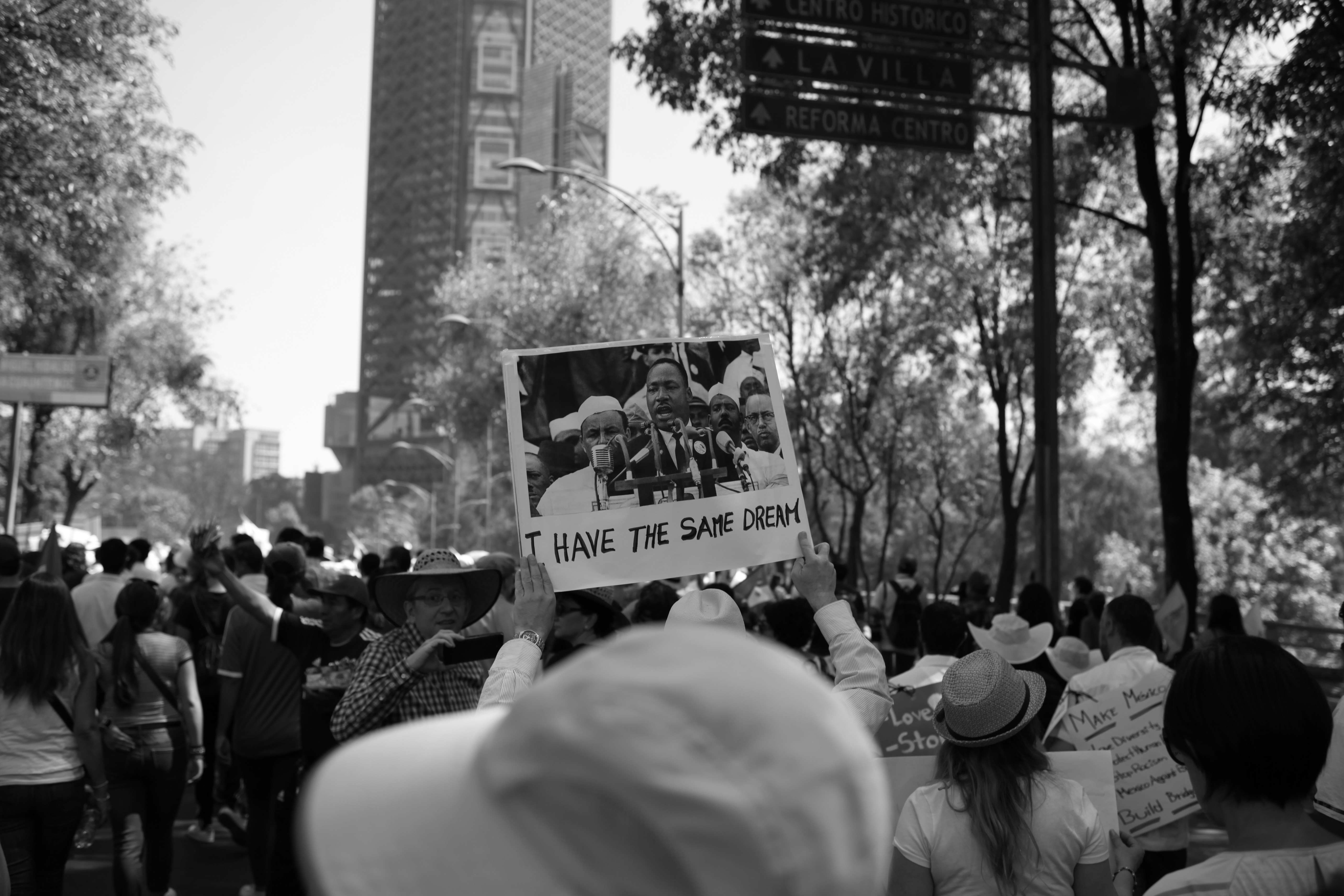
Being faced with a situation of discrimination or microaggression at work can cause hesitation: fear of doing the wrong thing, saying the wrong thing, overstepping one’s role, or creating tension. Yet not reacting can help problematic situations take root. Taking action therefore means understanding one’s room for maneuver, identifying the most appropriate stance, and having concrete reference points to intervene appropriately in such situations. In this training, participants will learn to analyze situations of discrimination and microaggressions, choose an appropriate stance, and intervene constructively. Through practical scenarios, role-playing, and analysis of real-life cases, they will develop operational reflexes to reframe a situation of discrimination or microaggression, support the people concerned, and contribute to a respectful and inclusive work environment.
To prepare for the training
Theoretical content, excerpts from texts, and examples of communication messages will be shared with participants to ensure they have a minimum foundational knowledge base. Exchanges may also take place with the trainers in order to assess the context and level of each participant.
Training objectives
Recognize situations of discrimination and microaggressions
Understand your role and room for maneuver
Choose an appropriate approach based on the context and stakeholders
Intervene constructively in response to a situation of discrimination or microaggression
Support the people concerned with accuracy and listening
Contribute to a respectful and inclusive work environment
PROGRAM
Taking action against discrimination and microaggressions
A. Understanding your role and your room for maneuver
Understanding your role and identifying the different possible approaches to a situation
Analyzing the barriers to reacting (uncertainty, fear of doing the wrong thing, hierarchy…)
Clarifying responsibilities according to one's role (employee, manager, HR)
Review of workplace situations
B. Intervening in an appropriate and well-judged manner
Learning communication techniques to intervene appropriately
Concrete wording to reframe a situation
Role-playing based on realistic cases
Group analysis of intervention strategies
C. Supporting and acting over time
Understanding the needs of the people involved
Adopting an appropriate posture of listening and support
Sharing best practices to prevent situations
Formalizing concrete actions to implement in one's work environment
Our teaching methods
We aspire for as many people as possible to have the freedom to act and fulfill themselves thanks to our innovative and collaborative training programs. We therefore offer truly memorable learning experiences, putting pace, the desire to learn, and people at the heart of the method.
Our credo: to build on expertise and innovative formats, capable of engaging all the ways our participants learn. Our approach is based on the 7 existing types of intelligence, to reach and leave a lasting impression on everyone.
At Seven, you have access to content that is always at the cutting edge and prompts action, as well as tools that guarantee an immediate impact. Our 300 experts trained in our method have already enabled 60,000 people to experience unforgettable learning experiences and develop new skills. Take the time to save time! Train with us.
Certification
The certification was issued under the following category of action: Training action

 Open certification
About
Is this training course covered by the OPCOs?
Yes! You can get in touch with your Skills Operator to ask them about coverage. We can support you with this process.
Are there any prerequisites?
No prerequisites are required to enroll in the training.
Does this training course fall under the FNE-Formation program?
Yes. The FNE-Formation scheme allows all employees on partial or full furlough to have their training costs covered. If your company is eligible for partial unemployment and you are in this situation: this training will be reimbursed 100% by FNE-Formation.
How am I evaluated?
Your learning outcomes will be assessed through a practical case, a simulation, or a questionnaire.
You will be given a certificate of completion at the end of the training.
Is the training accessible?
Regarding the terms and deadlines for access to this training, you can contact us directly with a minimum notice of 15 days before the desired date.
Accessible to people with disabilities: a designated disability coordinator will follow up on any adaptation request, which must be reported in advance of the training.
Are you interested in this training?
Training programs can be custom-designed.
Duration (in days)
1 day
(adjustable internally)
Duration (in hours)
6h
Location
Capacity
participants
NPS*
Inter price
600€ HT
per participant
Intra price
TRAINING